Name Brand vs. No-Name: The Products Where the Cheaper Option Actually Wins
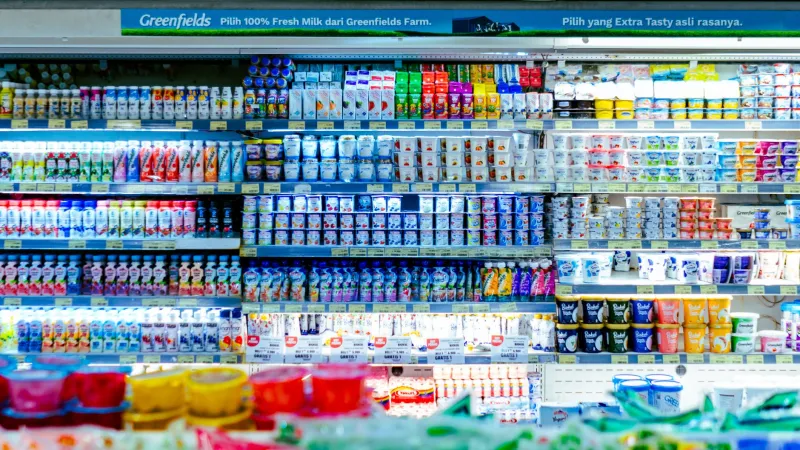
Let's be honest — most of us grew up with brand preferences baked in before we could even articulate why we had them. Dawn dish soap. Bounty paper towels. Advil. Heinz ketchup. These names feel like facts, not choices. They're the brands our parents bought, the ones we recognize on the shelf, the ones that feel safe.
But "familiar" and "better" aren't the same thing. And in a lot of product categories, the gap between what you're paying for a brand name and what you're actually getting in return is significant.
We dug into real-world comparisons — pulling from consumer testing data, community feedback, and actual product reviews — to find the categories where going off-brand isn't a compromise. It's an upgrade.
Cleaning Supplies: Where Chemistry Doesn't Care About Logos
This is probably the most clear-cut category for store brand superiority — or at least parity. Cleaning products are heavily regulated, and their active ingredients are a matter of public record. When a store-brand all-purpose cleaner contains the same concentration of the same active ingredient as a name-brand counterpart, it cleans the same. Full stop.
Costco's Kirkland-brand cleaning products have become something of a legend in frugal living communities, consistently earning praise from users who made the switch reluctantly and stayed enthusiastically. Target's Up & Up cleaning line draws similarly strong reviews, with multiple shoppers noting they ran out of their name-brand product, tried the store alternative out of necessity, and never went back.
The markup on name-brand cleaners often comes down to two things: advertising spend and packaging. Neither of those makes your countertops cleaner.
Approximate savings: Switching to store-brand all-purpose cleaner, dish soap, and laundry detergent can save the average household $150–$250 per year without any perceptible difference in results.
Kitchen Tools: Where Obscure Brands Often Outperform
The kitchen tool space is fascinating because it's one of the few categories where passionate enthusiasts have done the hard comparative work for us. Home cooking communities on Reddit, YouTube, and food blogs have run exhaustive head-to-head tests on everything from chef's knives to sheet pans.
The findings are consistently humbling for big names. Nordic Ware sheet pans — not a "brand name" in the traditional marketing sense — are widely considered superior to flashier competitors at twice the price. Victorinox's Fibrox Pro chef's knife, which retails for around $40, routinely beats knives in the $150–$200 range in blind cutting tests and professional kitchen surveys. It's the knife recommended by culinary schools across the country, not because it has a great marketing budget, but because it performs.
Cast iron is another great example. Lodge, a Tennessee-based manufacturer that doesn't spend heavily on advertising, produces pans that professional chefs and home cooks alike consider benchmarks — often at a third of the price of trendier brands.
Reader take: "I spent years thinking I needed a fancy Dutch oven. I finally bought a Lodge combo cooker for $45, and I've made better bread in it than anything I baked in my expensive enameled pot. I'm embarrassed it took me so long." — Sarah M., Austin, TX
Over-the-Counter Medications: Legally Required to Be Identical
This one is less of a hidden secret and more of a widely ignored fact: generic OTC medications are required by the FDA to contain the same active ingredients at the same dosage as their brand-name equivalents. Ibuprofen is ibuprofen. Cetirizine is cetirizine. The chemical that makes Tylenol work is acetaminophen — and so is the chemical that makes CVS-brand pain reliever work.
The price difference is not subtle. A 100-count bottle of name-brand Claritin can run $25–$30. The store-brand loratadine version of the exact same medication? Often $7–$10. Same molecule, same dosage, same regulatory oversight.
The American Medical Association has been saying this for years. Pharmacists recommend generics routinely. And yet, brand loyalty in the medicine aisle remains surprisingly strong — largely because the packaging looks more "medical" and authoritative.
Approximate savings: A family that switches to generic versions of their common OTC medications can realistically save $200–$400 per year.
Personal Care: Where "Premium" Is Often Just Marketing
The personal care aisle is where brand mythology is perhaps most aggressively manufactured. Shampoo, moisturizer, sunscreen — these categories are saturated with aspirational branding and clinical-sounding language that implies scientific superiority.
Dermatologists have been increasingly vocal about this. Many commonly recommend CeraVe and Vanicream over luxury skincare lines that cost ten times as much — not because they're contrarian, but because the formulations genuinely hold up. CeraVe's moisturizing cream, which costs around $18 for a large tub, contains ceramides and hyaluronic acid in concentrations that rival products sold at department store beauty counters for $80+.
Sunscreen is an even more pointed example. The SPF rating is a standardized, regulated measurement. A drug-store brand SPF 50 sunscreen protects you exactly as much as a luxury brand SPF 50 — and the ingredients list often looks nearly identical.
The Myth This All Points To
The throughline in all of these examples is the same: we've been trained to equate price with quality, and that equation breaks down constantly in the real world. Premium pricing reflects brand investment, retail positioning, and advertising spend as much as — sometimes more than — product performance.
That doesn't mean expensive products are never worth it. There are genuine cases where craftsmanship, materials, or innovation justify a higher price. But those cases deserve to be evaluated on their merits, not assumed based on name recognition.
At SukoStore, our whole philosophy is built around finding that intersection of quality and value — which means being honest when a lesser-known product genuinely earns its place in your home. Sometimes the best find on the shelf is the one without the flashy logo.